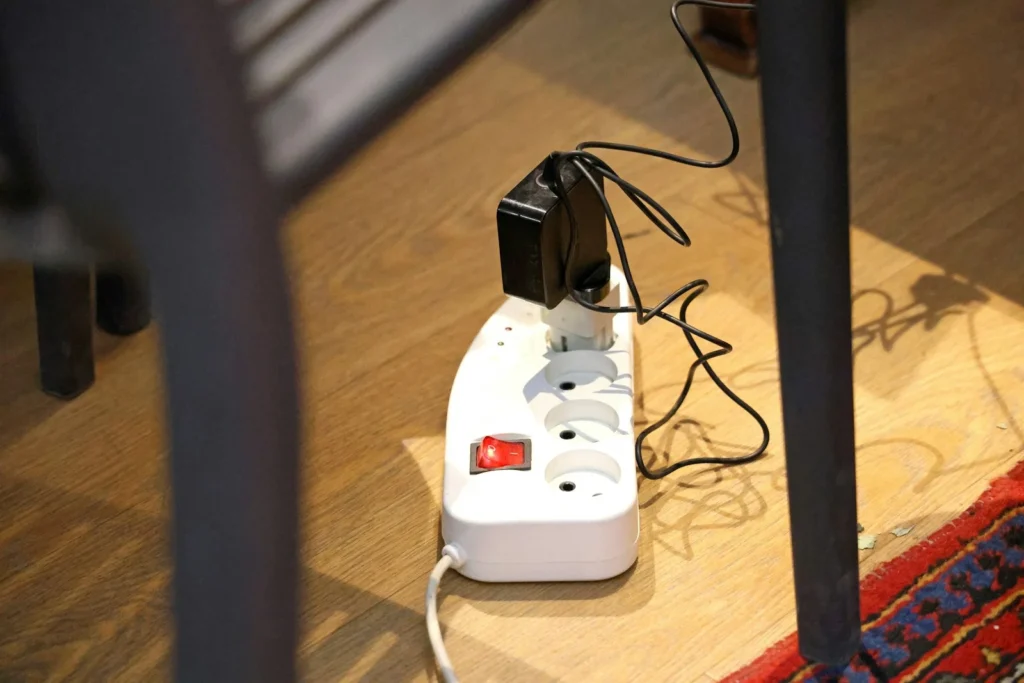
Ever plugged in your phone only to realise nothing is charging, or wondered if that suspiciously loose socket in your Bonnyrigg home is actually safe? These everyday frustrations are not just inconvenient—they can be warning signs of hidden electrical dangers. Learning how to test electrical outlets at home is a crucial skill for every homeowner, helping you prevent hazards, save on repairs, and gain peace of mind.
Key Takeaways
- Testing electrical outlets at home helps you quickly identify faulty or dangerous sockets.
- Essential tools include socket testers and multimeters, which are easy to find in the UK.
- Always isolate the circuit before testing to protect yourself from electric shock.
- Bonnyrigg electrical safety regulations restrict DIY repairs to minor works only.
- Contact a qualified local electrician for issues beyond basic DIY checks.
Why Should You Test Electrical Outlets at Home?
Preventing Hazards and Protecting Your Family
Knowing how to test electrical outlets at home is about more than just fixing a dead socket—it’s about protecting your household from electrical hazards. Faulty outlets are a leading cause of electrical fires in the UK, and in Bonnyrigg’s mix of historic and modern homes, hidden wiring issues are common. Regular home electrical safety checks help catch problems early, reducing risks of shock, fire, and damage to appliances.
Spotting Problems Unique to Bonnyrigg Homes
Older Bonnyrigg properties may have outdated wiring, while newer builds might suffer from overloaded circuits. Common outlet problems Bonnyrigg residents report include flickering lights, intermittent power, warm or discoloured sockets, and tripped breakers. By learning how to know if an outlet is faulty and performing routine checks, you stay ahead of costly repairs and keep your insurance valid.
Peace of Mind for Landlords and Tenants
If you’re renting out a property or have just moved in, regular socket checks are part of your legal and moral duty. Bonnyrigg electrical safety regulations require landlords to ensure all outlets are safe and functional. Performing a DIY electrical outlet testing guide check before new tenants move in can save both parties hassle and ensure compliance with the law.
Outlet Testing Tools UK Households Should Use
Choosing Between Socket Testers and Multimeters
The most efficient way to check electrical sockets Bonnyrigg-wide is with a socket tester: a simple plug-in device that instantly tells you if the wiring is correct. For more in-depth checks, a multimeter allows you to measure voltage, continuity, and detect live wires. Both tools are affordable, widely available, and considered essential outlet testing tools UK homeowners trust. For guidance, Which? offers impartial reviews of reliable brands.
Other Tools for DIY Socket Testing
For quick screening, a voltage detector pen is invaluable—it helps identify live outlets without direct contact. Always use insulated screwdrivers and wear rubber-soled shoes when working near electrics. Make sure any tester you buy meets British safety standards (BS EN 61010 or similar). These precautions are key safety tips for testing sockets in Bonnyrigg households.
| Outlet Testing Tool | Best Use | Pros | Cons |
|---|---|---|---|
| Socket Tester | Routine outlet checks | Simple, quick, no skills needed | Won’t spot subtle faults |
| Multimeter | Advanced troubleshooting | Accurate, detects more faults | Requires knowledge, more steps |
| Voltage Detector Pen | Initial safety check | Fast, safe, no contact | No info on wiring or earth faults |

Step-by-Step Socket Testing: How to Test Electrical Outlets at Home
Preparation: Safety First
Before you test electrical outlets at home, always switch off the circuit at the consumer unit or fuse box. Use a voltage detector pen to double-check the socket is dead. Work in dry conditions, wear rubber-soled shoes, and keep kids and pets away. These safety tips for testing sockets are non-negotiable for every Bonnyrigg resident.
How to Test Power Outlets at Home with a Socket Tester
Plug your socket tester into the outlet. The indicator lights will show if the wiring is correct or if there’s a fault (such as reversed live/neutral or missing earth). Consult the tester’s chart to decode the results. If the tester signals a fault, note which lights are on—this is your first clue for troubleshooting electrical outlets.
Testing Electrical Outlets with a Multimeter
Set your multimeter to measure AC voltage. Insert the probes into the live and neutral slots—UK homes should read around 230V. Next, check live to earth and neutral to earth. Any reading far below 230V or no reading at all could indicate a wiring or supply issue. This method is the gold standard for those wanting a thorough DIY electrical outlet testing guide.
Step-by-Step Socket Testing for Faults
- Turn off mains power at the consumer unit.
- Remove the socket faceplate (if needed) with an insulated screwdriver.
- Visually inspect for loose wires, scorch marks, or discolouration.
- Test voltage with your multimeter as above.
- If all looks well, replace the faceplate and restore power.
- Test again with a socket tester for confirmation.
How to Know if an Outlet is Faulty
Even if a socket appears to be working, it could still be dangerous. Signs include a crackling sound, heat, loose plugs, or visible burn marks. If your tests show inconsistent readings or your tester indicates a fault, stop using the outlet and arrange for professional inspection—especially in older Bonnyrigg homes.
Troubleshooting Electrical Outlets: Common Issues and Fixes
What to Do If an Outlet Isn’t Working
If you find a dead outlet, check if it’s controlled by a wall switch or if a breaker has tripped. Reset any tripped breakers, then retest the socket. If still dead, use your tester and multimeter as described to pinpoint the issue. Sometimes, outlets in Bonnyrigg homes are on a ring circuit—if one fails, others may be affected.
How to Fix a Dead Electrical Outlet
If the faceplate is loose, tighten screws after isolating the power. If you detect no voltage with the multimeter, the wiring may be disconnected or damaged. For burnt or melted sockets, or if you see exposed wires, do not attempt repairs—these are beyond safe DIY fixes. Instead, contact a certified electrician like John Noble Electrical Contractors who are familiar with Bonnyrigg electrical safety regulations.
Special Scenarios: Bonnyrigg’s Unique Challenges
In some local properties, especially older ones, you may find outdated wiring or sockets without earth. These present significant risks. If your tester indicates a missing earth, mark the outlet as unsafe and arrange for professional rewiring. Always follow local rules—Bonnyrigg electrical safety regulations are strict to protect residents from fire and shock hazards.

Legal & Safety Considerations for Bonnyrigg Households
Understanding Bonnyrigg Electrical Safety Regulations
Electrical work in Bonnyrigg must comply with UK law, especially Part P of the Building Regulations. Only minor repairs—like changing socket faceplates or tightening screws—are permitted for DIYers. Anything involving new wiring or major repairs must be done by a registered electrician. See gov.uk: Electrical safety in the home for details.
When to Call a Professional
If you repeatedly find faults, see evidence of overheating, or your breakers trip often, it’s time to bring in a professional. Local firms like John Noble Electrical Contractors know the ins and outs of Bonnyrigg’s building codes and can provide thorough home electrical safety checks and repairs. Never risk DIY repairs beyond your knowledge—it could invalidate insurance or worse.
Keeping Records of Your Outlet Tests
For landlords and proactive homeowners, keep a log of your outlet checks—note dates, tester readings, and any repairs made. This provides a useful history for future reference and is a valuable asset if you ever need to demonstrate compliance or sell your home.
Frequently Asked Questions
How often should I test my electrical outlets at home?
Test your outlets at least annually, or whenever you notice flickering lights, burning smells, or loose sockets. Landlords in Bonnyrigg should check outlets before each new tenancy and keep records for compliance.
What’s the difference between a socket tester and a multimeter?
A socket tester gives a quick indication of wiring faults and is ideal for routine checks. A multimeter provides detailed voltage and continuity readings, making it essential for thorough troubleshooting electrical outlets.
Are there any legal limitations on electrical work I can do myself?
Yes, UK law allows only minor repairs by homeowners. Anything involving new wiring, circuit changes, or major repairs must be done by a registered electrician—especially under Bonnyrigg electrical safety regulations.
What signs indicate an outlet is dangerous?
A hot faceplate, burning smell, buzzing sounds, or visible damage are all signs of a dangerous outlet. If your socket tester or multimeter finds irregularities, stop using the outlet and consult an expert.
Who should I call in Bonnyrigg if I find a serious outlet fault?
Contact a local, qualified electrician such as John Noble Electrical Contractors. They specialise in both routine and emergency electrical repairs, ensuring your home is safe and up to code in 2026.
Mastering how to test electrical outlets at home is empowering and essential for safety, especially in Bonnyrigg’s diverse housing stock. When in doubt or faced with complex issues, rely on the local expertise of John Noble Electrical Contractors for reliable, compliant, and friendly service—your peace of mind is their priority.