Here in the UK, we’re not really used to spells of very hot weather. Whenever a heatwave arrives, it takes a moment to remember how we deal with it.
Due to climate change, getting prepared and thinking ahead in the short and long term about how we cope with heatwaves is more important than ever.
Britain’s housing spans centuries and has been adapted, extended and remodelled to allow for new advances, such as central heating and inside toilets. Keeping dry and warm has been the main concern of housebuilders of the last few hundred years – only now are rising temperatures being considered.
Your home might not be prepped for long hot summers, but here are some things you can do now or in the coming years to keep cool under your roof.
How do I keep my house cool in extreme heat?
Surprisingly, to deal with extreme heat, the answer is insulation. We tend to think it’s to keep heat in and keep homes warm. However, a well-insulated home will also keep extreme heat out – like the Thermos flask principle, keeping the contents hot or cool as desired. There’s a happy medium to strike though as super-insulated homes will trap and maintain the heat for longer.
If your loft insulation is getting for 20 years old, it might be an idea to renew it to be efficient all year round. And make sure your home is draughtproof as hot air getting in can be as troublesome as cold.
Sunblock your home
It can seem awful shutting out the sunshine, but an easy and quick fix in a heatwave is to shut your windows in the morning and close the curtains. Keeping your interior dark in the day will keep your home cool. As soon as the sun goes down, you can throw open the curtains, unlatch the windows and let the milder air flow through. Opening windows on opposite walls or at opposite ends of the house will create a cross-breeze and allow airflow to move through the house. Better still, if you open windows at night and then close them through the day, you’ll trap the cooler air in to let it circulate without escaping.
When you’ve got more time to prepare, you can apply heat reflective tinting film to the glass in patio doors and conservatories.
Cooling your home starts outside
Any south-facing walls, doors and windows are going to be in full glare of the sun. Absorbing the heat will mean the air behind them will hot up, and hinges, panelling and locks can shift, warp or stick fast. If this becomes a regular problem, you can install an easy open-and-close awning to shade the whole area. A porch or door canopy could be enough to provide some extra shade.
To keep the sun off your home, a great fix is to put up some hooks and attach some shade sails – or a well-placed pop-up gazebo will do the trick too.
Another idea if you’ve got green fingers is to plant up pots and containers full of lush foliage against a white wall to keep the heat off the house.
swapping your light bulbs to help turn down the heat
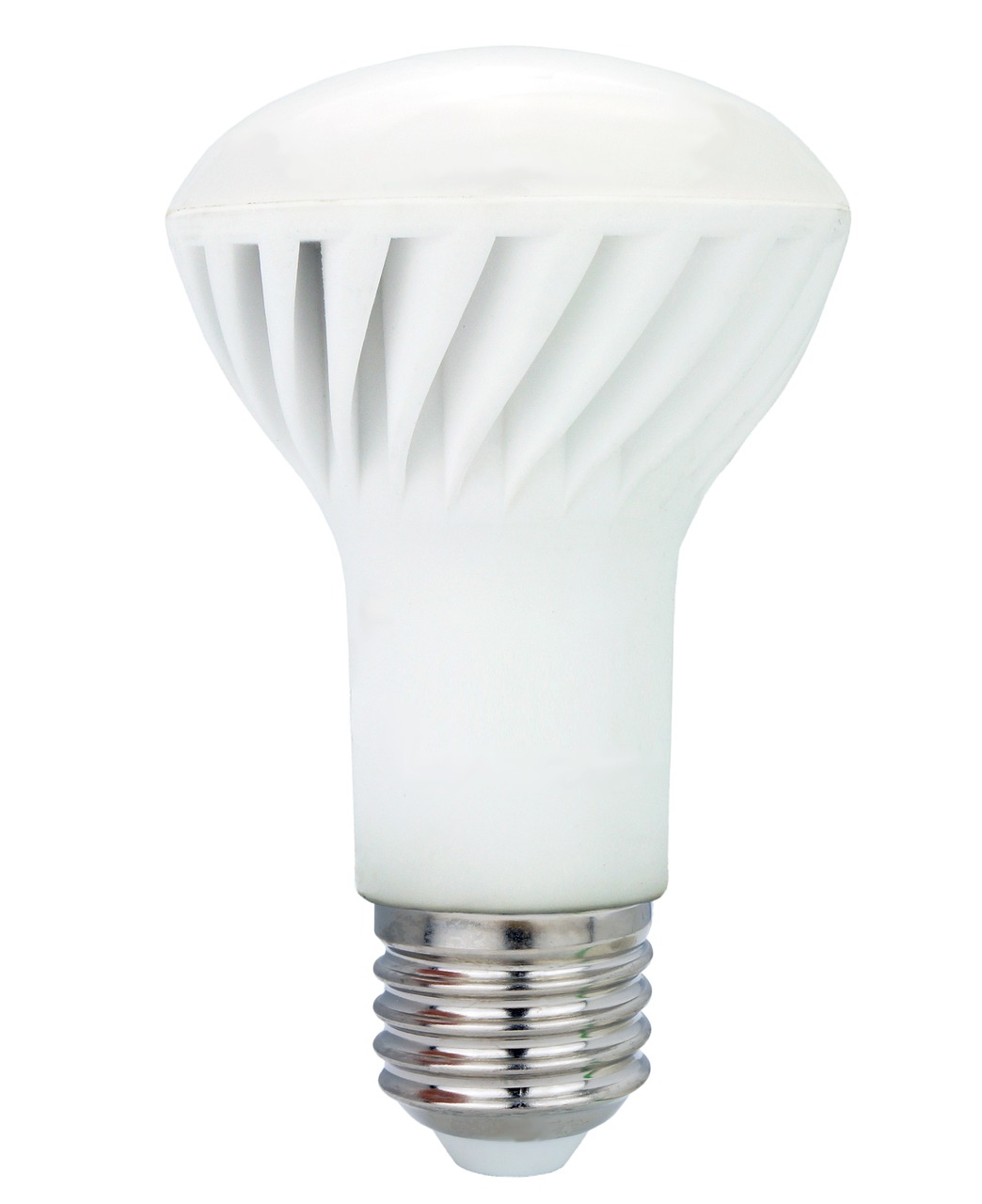
Traditional light bulbs give out most of their energy as heat and in an already hot room, additional heat is the last thing you need. Switching your bulb to an LED alternative will cool your room and use less energy. For a review of your home’s lighting, contact John Noble Electrical Contractors.
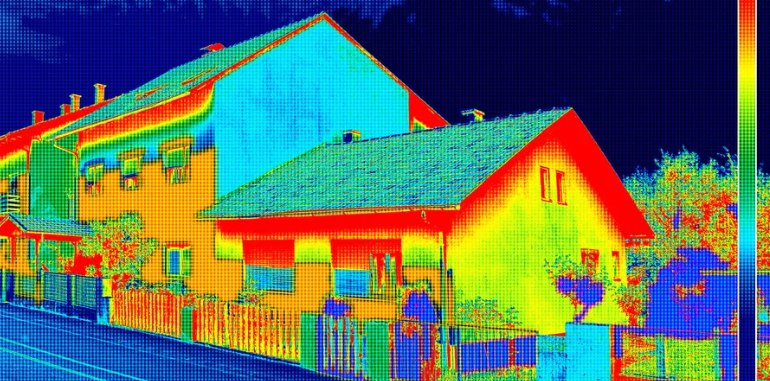
The hot summer is also a good time to get a thermal camera to see where heat is escaping and give you the information you need to make your home cosier and cheaper to run during the winter. They can be several hundred pounds but there are cheaper ones available on Amazon.